

Tunnel Emergency Telephone System: Design Features and Application Analysis

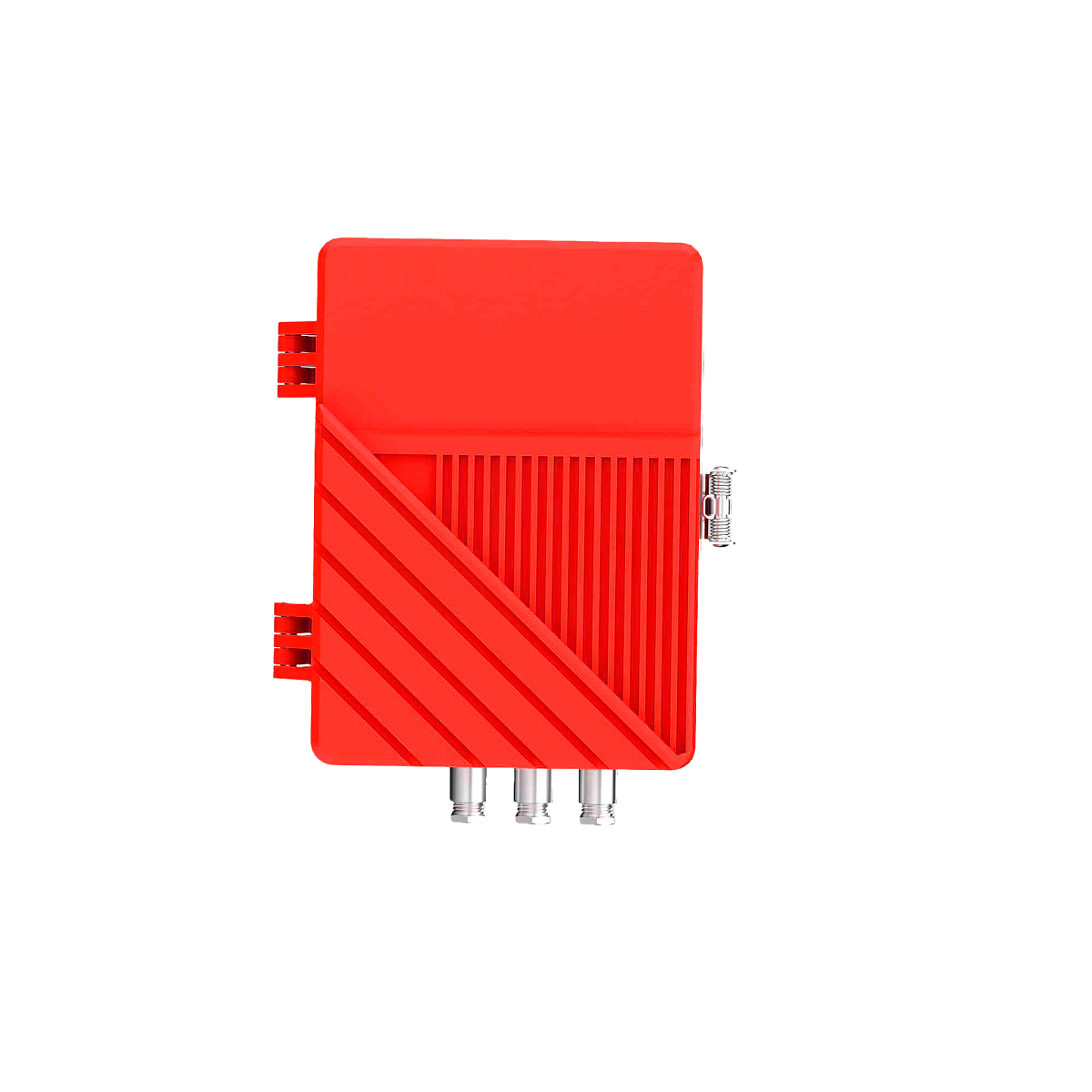
A Key Guarantee for Building Safe Communication in Tunnels
In enclosed spaces such as highway tunnels and urban tunnels,
smooth communication directly impacts the efficiency of accident
handling and personnel safety. As a core communication device
in the tunnel safety system, the tunnel emergency telephone
plays a vital role in emergency alarms, on-site communication,
and command and dispatch. This article will provide a
comprehensive analysis of tunnel emergency telephones from
three aspects: system design features, functional configuration,
and application scenarios.
I. Design Features of the Tunnel Emergency Telephone System
1. Strong Environmental Adaptability Design
The tunnel emergency telephone is specifically designed for
enclosed and complex environments such as tunnels, and
its structure and performance fully consider the characteristics
of the tunnel interior:
It has waterproof and dustproof characteristics, adapting to high
humidity and high dust environments.
It adopts an impact-resistant casing design to effectively resist
external impacts.
It is suitable for long-term fixed installation, ensuring stable
operation.
It integrates intelligent noise reduction technology, maintaining
call clarity even in environments with high vehicle traffic and
equipment operating noise.
Through multiple protection designs, the tunnel emergency
telephone can continuously and reliably operate in harsh
environments.
2. Core Communication Technology Advantages
The tunnel emergency telephone has undergone deep
optimization in terms of communication technology to
ensure rapid call establishment in emergency situations:
It features unique signal coverage technology with no blind
spots, eliminating communication dead zones in the tunnel.
It achieves second-level response communication within the
tunnel, shortening emergency response time.
It supports wireless transmission and a stable communication
mechanism, ensuring continuous and reliable voice transmission.
The communication process has low latency and strong
anti-interference capabilities, meeting the needs of emergency
scenarios.
These core technologies provide a solid foundation for the
stable operation of the tunnel emergency telephone at critical
moments.
II. Functional Configuration of the Tunnel Emergency
Telephone
1. Emergency Function Configuration
As an emergency communication device, the tunnel
emergency telephone focuses on "speed, direct access,
and linkage" in its emergency function design:
One-button direct connection to the command center,
requiring no complex operations.
One-button call/alarm system for rapid reporting of
emergencies.
Sound and light alarm signal linkage to enhance
on-site warning effects.
Supports 24/7 standby, ensuring availability at all times.
At the first moment of an accident, the tunnel emergency
telephone can become a lifeline between on-site personnel
and the command center. 2. System Management and
Maintenance Functions
To facilitate tunnel operation and management, the tunnel
emergency telephone system is equipped with comprehensive
backend management capabilities:
Real-time display of extension status for centralized monitoring
Supports remote control and parameter configuration
Supports online software upgrades, eliminating the need for
on-site maintenance
Automatic storage of call records for post-event tracing and
management analysis
These functions effectively reduce operation and maintenance
costs and improve overall system management efficiency.
3. Typical Application Scenarios of Tunnel Emergency
Telephones
1. Daily Construction and Operation Coordination
During daily tunnel inspections, equipment maintenance, and
construction processes, the tunnel emergency telephone can
serve as a fixed communication tool between the site and the
control center, improving communication efficiency.
2. Emergency Incident Handling
In the event of traffic accidents, vehicle breakdowns, or fires,
the tunnel emergency telephone can immediately transmit
alarms and information, saving valuable time for emergency
rescue.
3. Tunnel Clearing and Emergency Broadcast Notifications
Through the tunnel emergency telephone system, clearing
instructions or emergency notifications can be quickly issued,
assisting the tunnel broadcasting system in personnel
evacuation.
4. Multi-Terminal Interconnection and Dispatch
The system supports various communication methods:
Single terminal call
Group call
Group dispatch
Enabling collaborative linkage of multiple terminals within
the tunnel, enhancing overall emergency command
capabilities.
With the continuous improvement of tunnel safety standards
and intelligent transportation construction, the tunnel emergency
telephone has evolved from a single communication device into
a comprehensive system integrating emergency communication,
alarm linkage, and centralized management. Through its highly
reliable system design, comprehensive functional configuration,
and rich application scenarios, the tunnel emergency telephone
provides a solid guarantee for safe tunnel operation.
Next:Tunnel Emergency Telephone Return to List