

IP Intercom and Video Intercom Systems: Emergency Alarm Solutions for Enhanced Public Safety
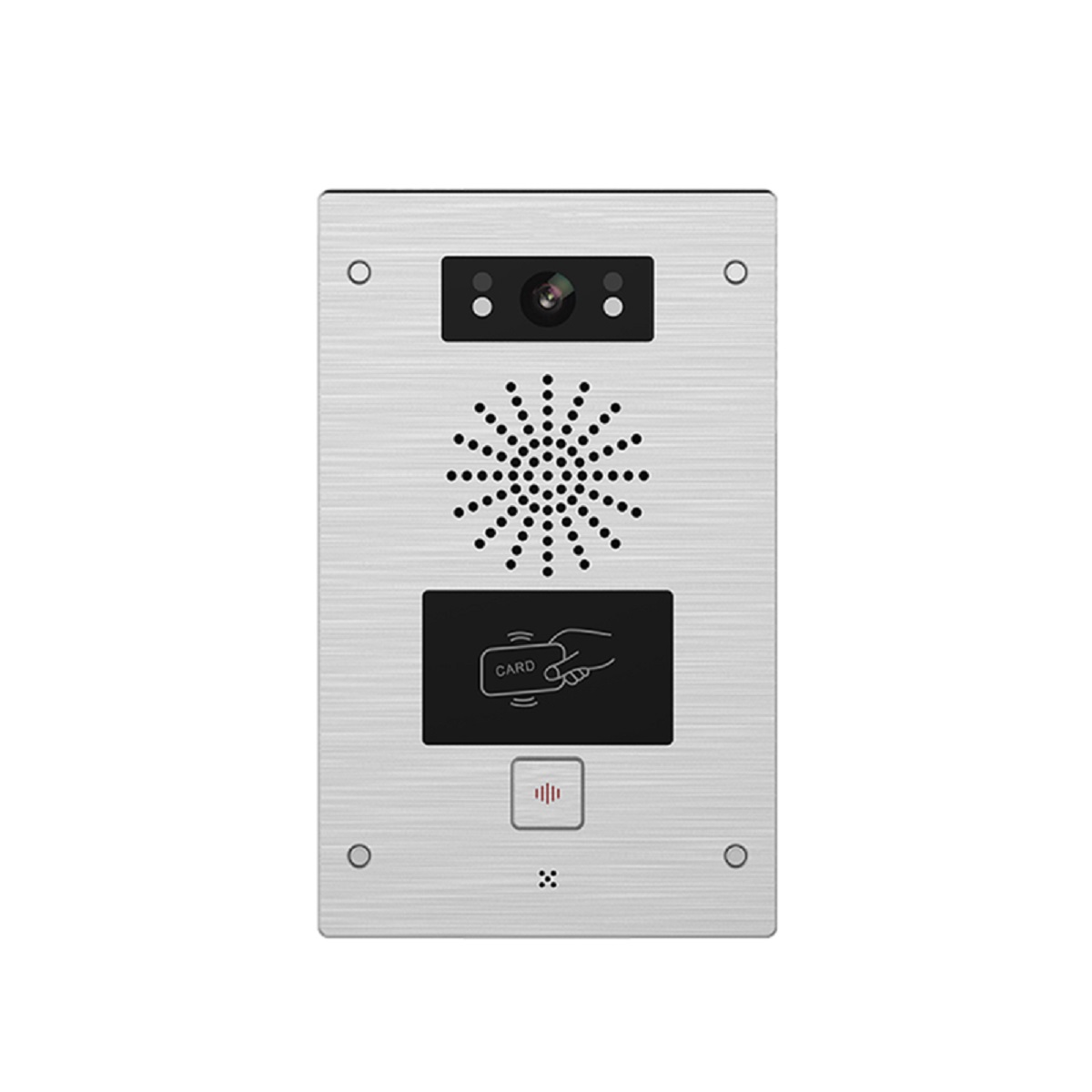
In modern society, public safety and emergency response capabilities
are crucial safeguards for maintaining order and protecting citizens'
lives and property. To address various emergencies, especially in
crowded and high-risk public spaces, IP intercom systems and video
intercom systems provide more efficient and convenient communication
methods.
What is an IP Intercom System?
An IP intercom system is a network protocol-based communication
device (such as TCP/IP) commonly deployed in buildings, parking lots,
campuses, scenic areas, and similar locations. It ensures users can
swiftly contact security personnel or relevant departments during
emergencies. Compared to traditional analog intercom systems,
IP intercom systems offer greater flexibility, scalability, and reliability,
supporting a broader range of application scenarios.
Advantages of Video Intercom Systems
Beyond audio communication, video intercom systems support
high-definition video calls. This allows emergency responders
to not only hear the caller's voice but also view real-time footage
of the scene during critical situations. This feature plays an irreplaceable
role in accelerating response times and ensuring information accuracy.
Emergency Alarm Intercom Product Overview and Application Scenarios
Below are several IP-based emergency intercom products designed to
play critical roles in various critical situations.
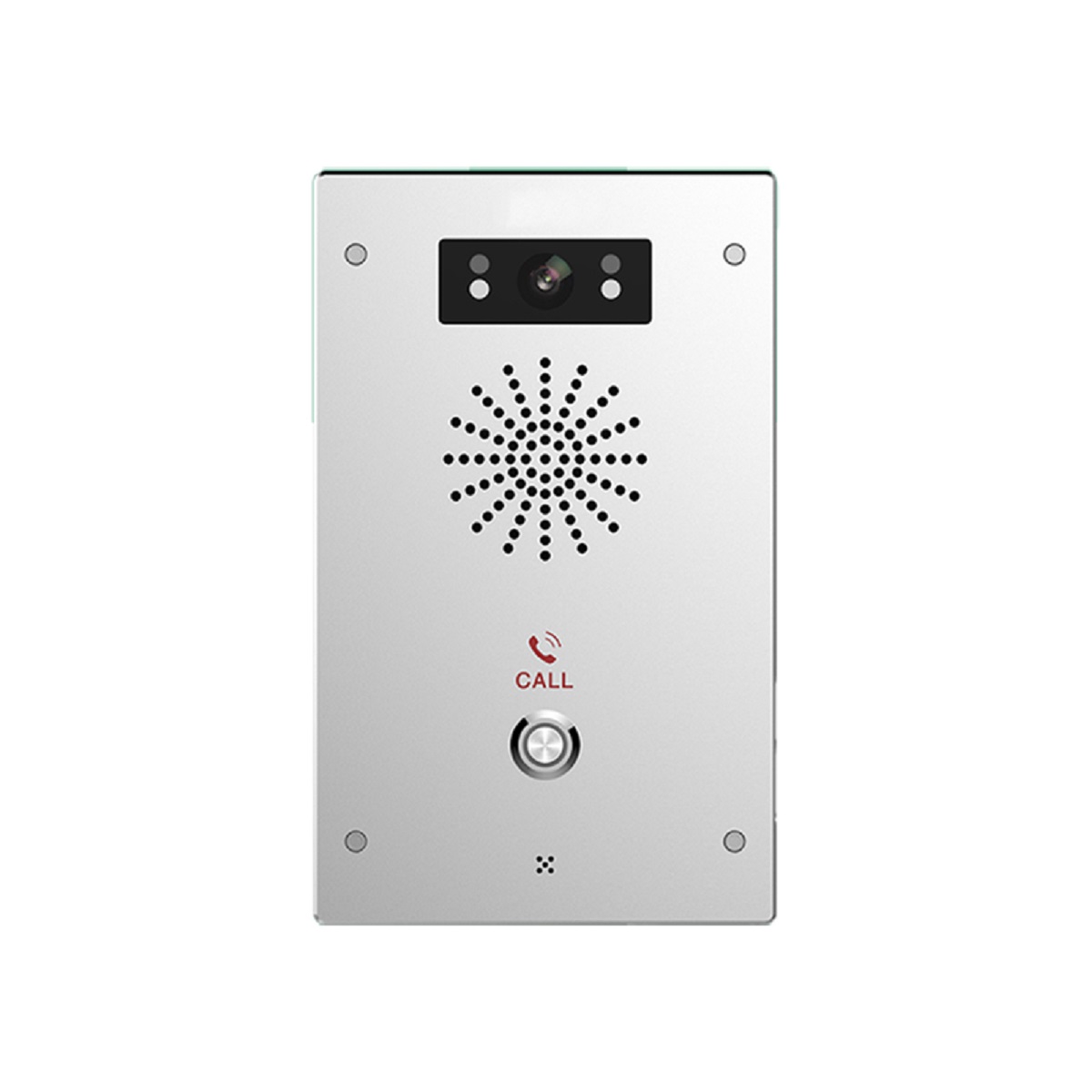
1. Single-Button Intercom Model
Core Function: Single-call functionality—users initiate emergency alerts
with a single button press.
Suitable Locations: Ideal for high-traffic open areas like parks and scenic
spots.
Application Advantages: Simple, intuitive interface lowers usage barriers,
making it accessible to general visitors and tourists.
2. Dual-Button Intercom Model
Core Function: Dual independent buttons allow separate configuration of
two distinct call destinations.
Suitable Locations: Ideal for stations, airports, and other sites requiring
multiple emergency response teams.
Application Advantages: Enhances call flexibility by enabling rapid contact
with different departments or teams during emergencies, strengthening
emergency response capabilities.
3. Video Streaming Intercom Model
Basic Functionality: Supports routine video calls and contact management
via software interface.
Distinctive Feature: Video streaming capability enabling connections over
both LAN and public networks for remote monitoring.
Suitable Locations: High-security facilities like prisons and banks, facilitating
real-time monitoring, recording, and archiving of on-site conditions.
Application Advantages: Visual on-site information transmission enables
dispatchers to grasp situation developments in minimal time, facilitating
swift decision-making.
4. Integrated Control Platform Interoperability
For large-scale complex facilities, video streaming intercom systems can
integrate with other control platforms, enabling centralized management
and dispatch through a unified interface. This functionality significantly
enhances emergency incident handling efficiency and optimizes public
safety management.
Market Prospects for IP Intercom and Visual Intercom Systems
With the advancement of smart city initiatives, demand for IP intercom
and visual intercom systems is steadily increasing. Particularly in public
spaces, schools, hospitals, and similar settings, these systems not only
enhance emergency response capabilities but also significantly elevate
public safety management standards. Looking ahead, as technology
continues to evolve, intelligent, networked intercom systems will become
a core component of public safety management.
Next:Case Study of IP Broadcast System Application in Zoos: Enhancing Management Efficiency and Emergency Return to List