
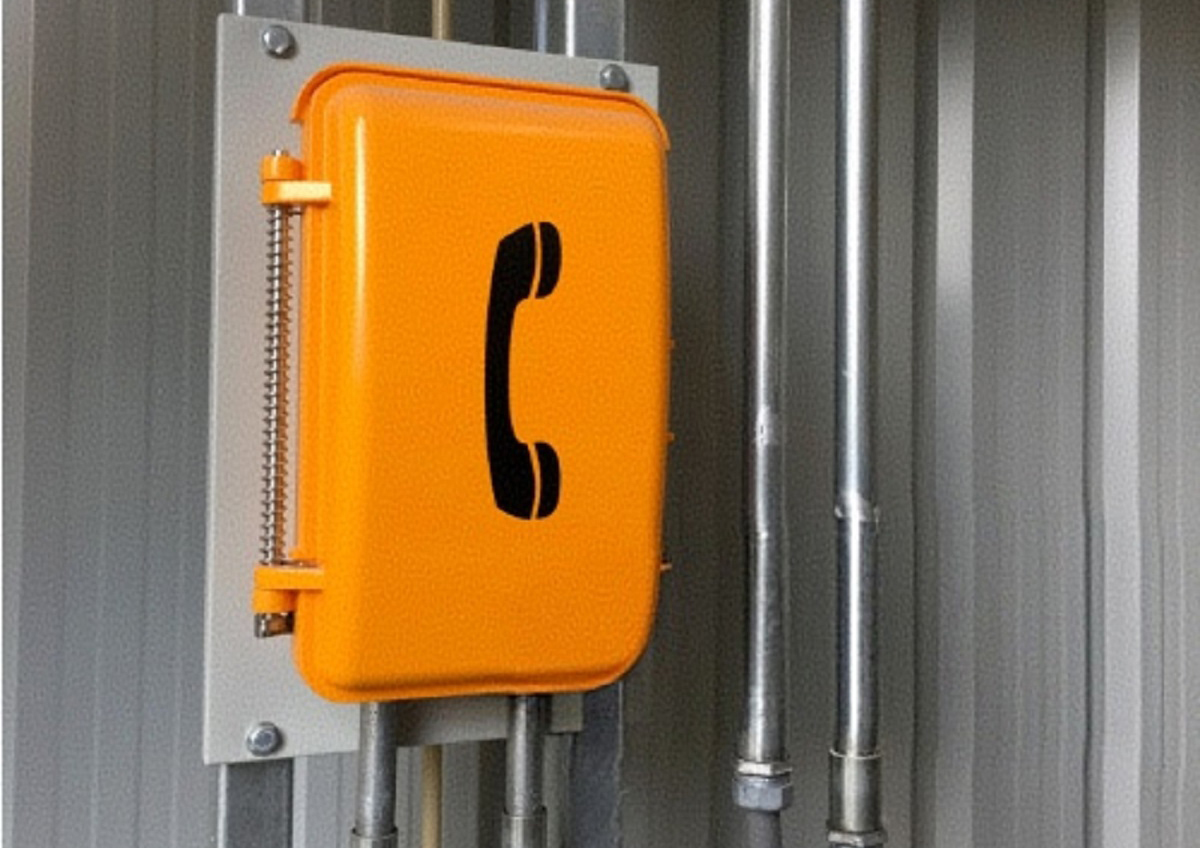
Key Identification Points for Explosion-Proof Handsets: Stop Mistaking “Protective Covers” for Explosion-Proof Capabilities!
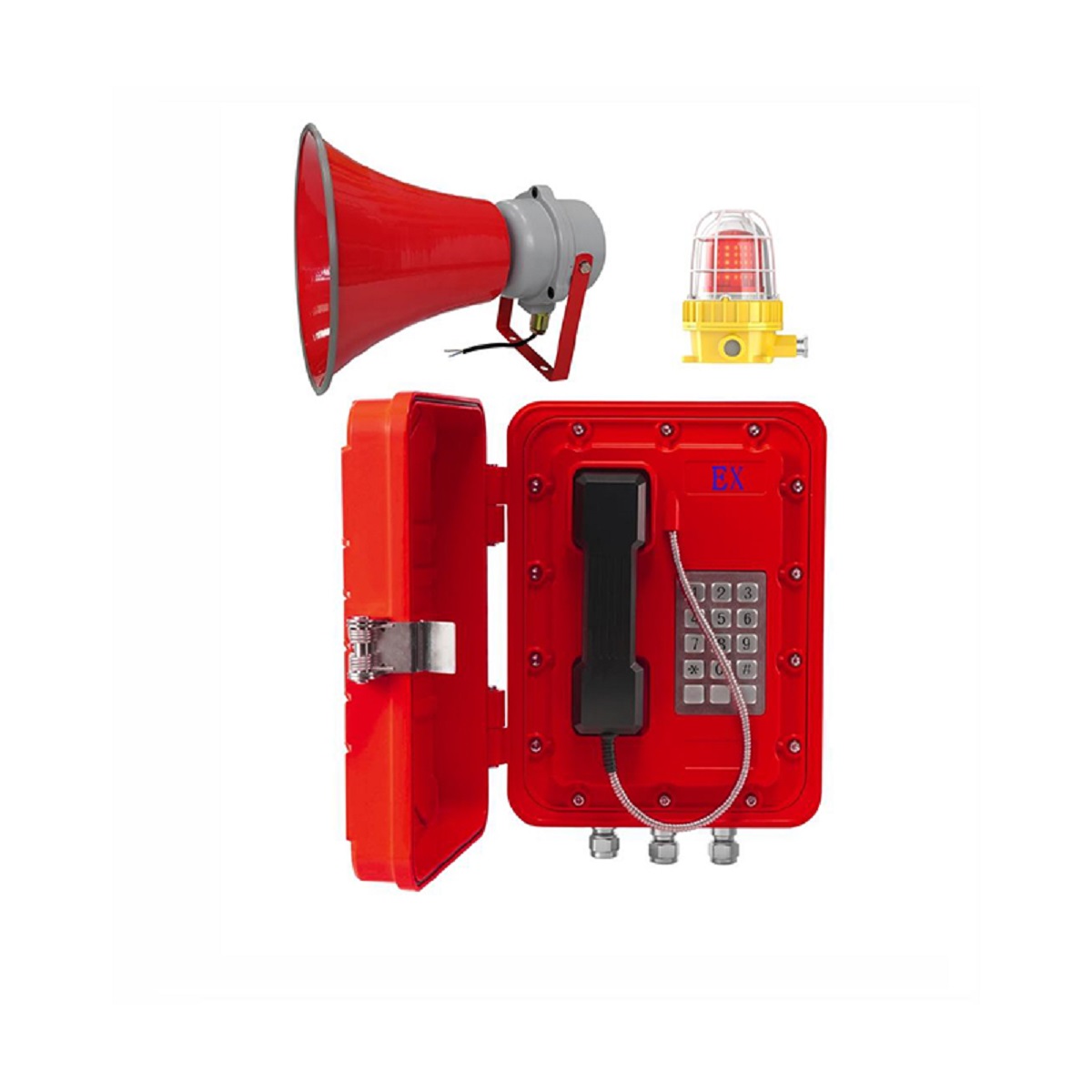
In the industrial communications field, many customers fall into a
common misconception when selecting equipment: assuming
that any device with a protective cover and thick housing is
explosion-proof.
However, this understanding is entirely incorrect.
A genuine explosion-proof phone is not merely about “looking
sturdy”; it must undergo authoritative certification and professional
explosion-proof processing. This article systematically analyzes
the core identification criteria for explosion-proof phones to
help you avoid pitfalls.
I. What Constitutes a Genuine Explosion-Proof Phone?
Explosion-proof phones are industrial communication devices
specifically designed for flammable and explosive hazardous
environments.
They are widely used in:
Petrochemical plants
Underground coal mines
Natural gas stations
Tunnels and utility tunnels
Dust explosion risk workshops
In these environments, even a single electrical spark can trigger
major accidents. Therefore, explosion-proof radios must eliminate
ignition risks from the design stage.
II. Core Identification Standard 1: EX Certification Mark
(The Sole Authoritative Standard)
The first step in determining whether a device is a genuine
explosion-proof radio is to check for the EX certification mark.
International mainstream explosion-proof certifications include:
ATEX (EU Explosion-Proof Certification)
IECEx (International Explosion-Proof System Certification)
Why is the EX Mark so crucial?
✔ It signifies the device has passed rigorous explosion-proof testing
✔ It provides clear classification of explosion-proof ratings
✔ It enables legal use in hazardous gas or dust environments
Devices without the EX Mark cannot be considered
explosion-proof telephones, even if they have protective covers.
This point is critical.
Many ordinary industrial phones merely add metal casings or rain
covers without undergoing explosion-proof electrical certification.
Their internal circuits may still generate arcs or sparks.
Rugged housing ≠ Explosion-proof safety
III. Core Identification Standard 2: Dual Protection Processes
Genuine explosion-proof phones require not only certification
but also specialized processing techniques.
1️⃣ Surface Protection Process — Anti-static Coating
In flammable environments, static electricity buildup can also
serve as an ignition source.
Therefore, explosion-proof phones typically employ:
Specialized anti-static spraying process
Corrosion-resistant industrial-grade coating
Surface resistance control treatment
This not only prevents rust and corrosion but, more
importantly, avoids the risk of static sparks.
2️⃣ Internal Structure Treatment — Explosion-Proof
Circuit Design
The true explosion-proof core lies within.
This includes:
Intrinsically safe circuit design (limiting energy output)
Explosion-proof circuit board treatment
Flameproof encapsulation of critical components
Strict control of electrical clearances and creepage
distances
Professional inspection and factory explosion-proof
testing procedures
Every step directly impacts whether hazardous
electrical sparks may occur.
IV. Common Industry Misconceptions
❌ Protective cover ≠ Explosion-proof
❌ Thick metal housing ≠ Explosion-proof
❌ High waterproof rating ≠ explosion-proof
❌ IP65/IP67 ≠ explosion-proof
These represent protective performance, not
explosion-proof certification.
Waterproofing, dustproofing, and impact resistance
fall under environmental protection ratings, while
explosion-proofing pertains to electrical safety
ratings—two entirely distinct categories.
V. The True Value of Explosion-Proof Handsets
Explosion-proof handsets are more than
communication devices; they are:
A vital component of industrial safety systems
A fundamental safeguard for corporate
production safety
A lifeline for personnel safety in hazardous
environments
It achieves this through:
✔ Authoritative EX certification
✔ Surface anti-static treatment
✔ Intrinsically safe internal circuit design
✔ Rigorous testing protocols
Eliminating ignition risks at the source to ensure
intrinsic safety.
VI. Summary: Three-Step Quick Authentication
for Explosion-Proof Handsets
1️⃣ Verify presence of EX certification markings
2️⃣ Confirm anti-static coating treatment
3️⃣ Ensure use of intrinsically safe circuit design
Any absence of these elements disqualifies the
device as a genuine explosion-proof handset.
Next:Functional Analysis of Hospital Emergency Call Systems: Building an Efficient Smart Healthcare Respo Return to List